There's nothing quite like gathering around a warm fireplace on a cool Texas evening. But while fireplaces add comfort and charm to your home, they also require proper maintenance and care to keep your family safe. As masonry professionals serving San Antonio, we've seen firsthand how proper fireplace construction and maintenance can prevent serious hazards.
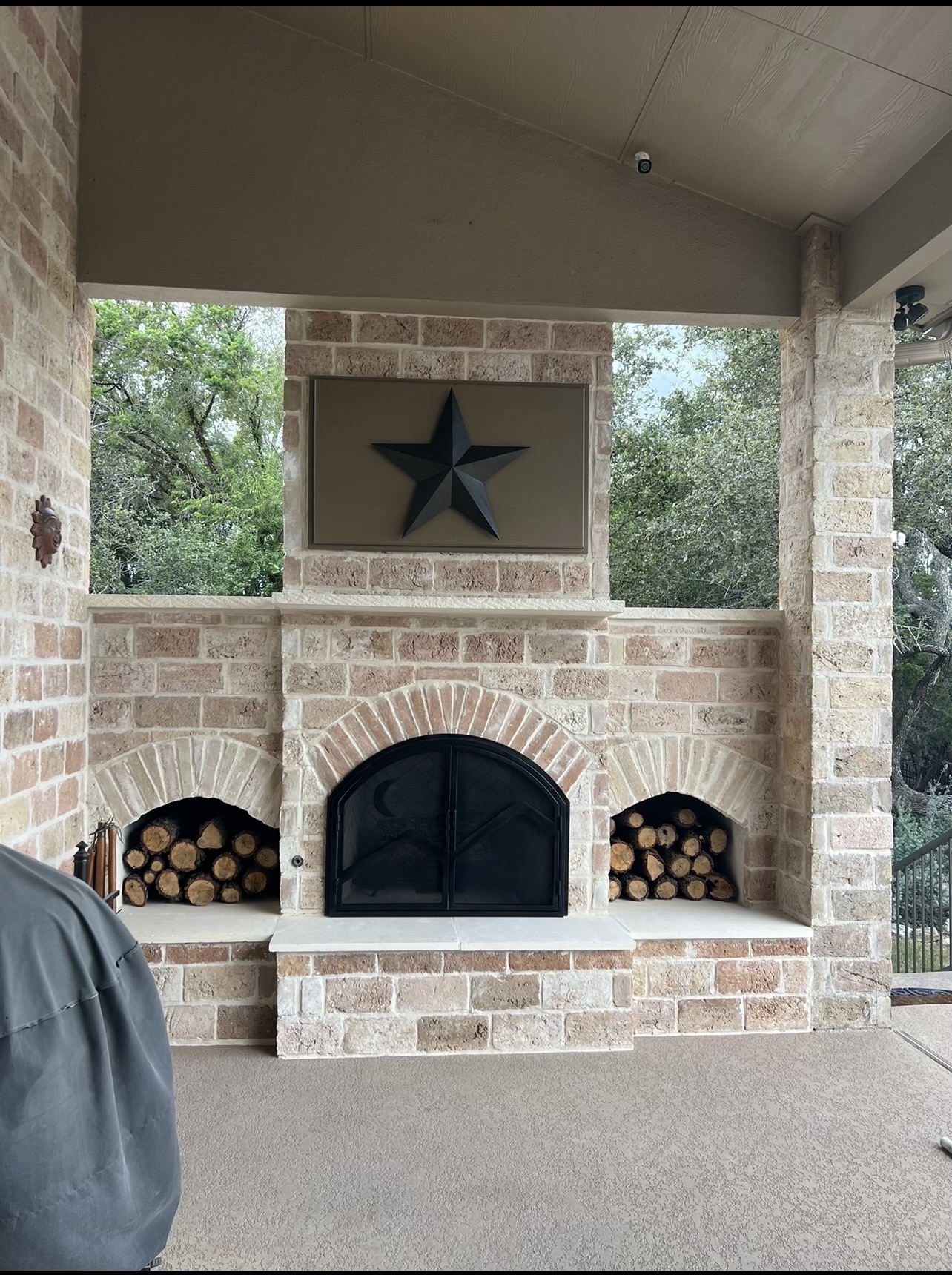
Why Masonry Matters for Fireplace Safety
A well-built masonry fireplace is one of the safest heating options for your home, but only when it's properly maintained. The brick, stone, and mortar that make up your fireplace aren't just decorative—they're critical safety components designed to contain extreme heat and prevent fires from spreading to the rest of your home.
Common Masonry Issues That Compromise Safety
Deteriorating Mortar Joints
Over time, the mortar between your fireplace bricks can crack, crumble, or fall out entirely. This deterioration, known as spalling, creates gaps that allow heat and smoke to escape into areas they shouldn't reach. In San Antonio's climate, where we experience temperature fluctuations and occasional freeze-thaw cycles, mortar can deteriorate faster than you might expect.
What to look for: Crumbling mortar, visible gaps between bricks, or white powder (efflorescence) on the brick surface.
Chimney Crown Damage
The chimney crown is the concrete or mortar top that seals the chimney and protects it from water damage. Cracks in the crown allow water to seep into the chimney structure, leading to deterioration of the masonry from the inside out. This can weaken the entire chimney structure and create serious safety hazards.
What to look for: Cracks in the concrete top of your chimney, missing chunks of material, or water stains on the chimney exterior.
Cracked or Damaged Firebricks
The firebox—the interior chamber where you build your fires—is lined with special heat-resistant firebricks. Unlike regular bricks, firebricks are designed to withstand extreme temperatures. When these crack or break, the underlying structure becomes vulnerable to heat damage.
What to look for: Cracks in the interior bricks, pieces breaking off, or discoloration that indicates overheating.
Leaning or Separated Chimneys
A chimney that's pulling away from your house or leaning is a serious structural problem. This separation can be caused by a weak foundation, settling, or water damage to the masonry. A compromised chimney poses both fire and collapse risks.
What to look for: Gaps between the chimney and house exterior, visible tilting, or cracks in the masonry running up the chimney.
Essential Fireplace Safety Practices
Annual Inspections Are Non-Negotiable
The National Fire Protection Association recommends annual chimney inspections by a qualified professional. A thorough inspection examines the entire masonry structure, from the firebox to the chimney cap, identifying problems before they become dangerous.
Keep It Clean: Creosote Removal
Creosote is a tar-like substance that builds up inside your chimney when wood burns. It's highly flammable and is the leading cause of chimney fires. While chimney sweeping addresses creosote buildup inside the flue, masonry damage can make creosote accumulation worse by creating rough surfaces where it clings more easily.
Use Your Fireplace Correctly
Even the best-maintained masonry fireplace can become unsafe if used improperly. Never burn trash, cardboard, or treated wood, which can create excessive heat that damages firebricks. Always use a fireplace screen to prevent sparks from escaping. And never leave a fire unattended.
Address Water Damage Promptly
Water is masonry's worst enemy. When water penetrates brick and mortar, it can freeze and expand, causing cracks and deterioration. In San Antonio, our occasional heavy rains mean your chimney cap and flashing need to be in good condition to keep water out.
When to Call a Masonry Professional
Some fireplace issues require immediate professional attention:
- Smoke entering your home instead of going up the chimney could indicate a blockage, damaged flue, or structural problem
- Visible cracks in the firebox or chimney structure
- Loose or falling bricks from the chimney
- White staining on the exterior chimney bricks, which indicates water penetration
- Tilting or separation of the chimney from the house
- Rust on the damper or firebox suggesting water intrusion
The Value of Professional Masonry Repair
Attempting DIY repairs on fireplace masonry can actually make things worse. Proper masonry work requires specialized knowledge of materials, techniques, and building codes. Using the wrong type of mortar, for example, can cause more damage than it fixes.
Professional masons understand how different materials interact, know which products can withstand high temperatures, and have the experience to identify underlying problems that aren't immediately visible. This expertise is especially important for fireplace and chimney work, where safety is paramount.
Protecting Your Investment and Your Family
Your masonry fireplace is built to last for generations—but only with proper care and maintenance. Regular inspections, prompt repairs, and correct usage will keep your fireplace safe and functional for years to come.
Don't wait until you notice a problem to think about fireplace safety. Whether you're preparing for the heating season or addressing existing concerns, having your masonry fireplace inspected and maintained by professionals is one of the best investments you can make in your home's safety and value.
Ready to ensure your fireplace is safe for the season ahead? Contact our experienced masonry team for a comprehensive fireplace and chimney inspection. We'll identify any issues and provide expert repairs to keep your San Antonio home safe and cozy.